Tuesday, October 4, 2011

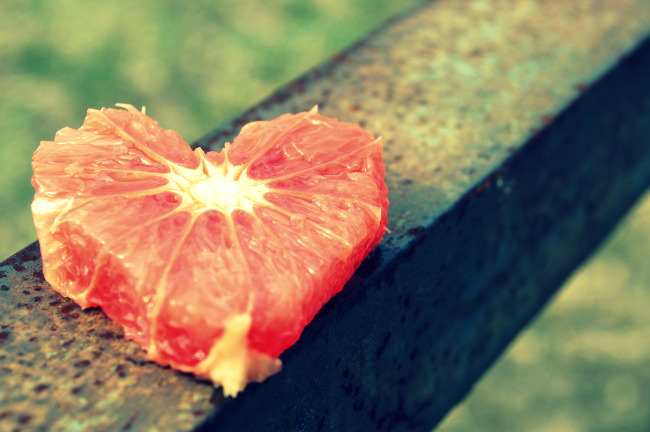
If you want kids to eat it, make it pretty.


Cheap Marketing Techniques Help Kids Choose More Fruit
iStockphoto.com
If you want kids to eat it, make it pretty.
Published: October 03, 2011
by Allison Aubrey
Kids will choose to take a step towards healthier eating by choosing fresh fruit — if you give them a little nudge.
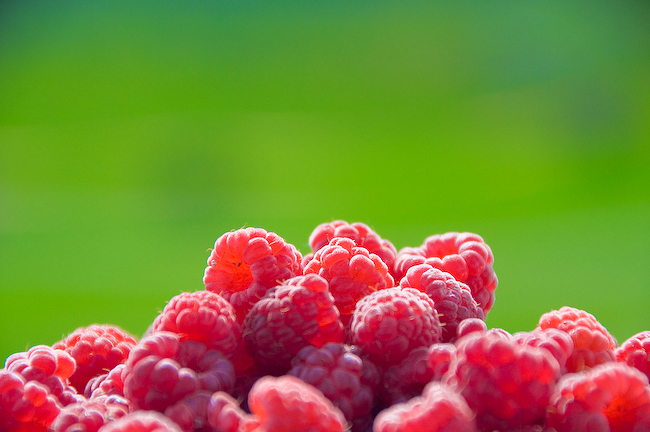
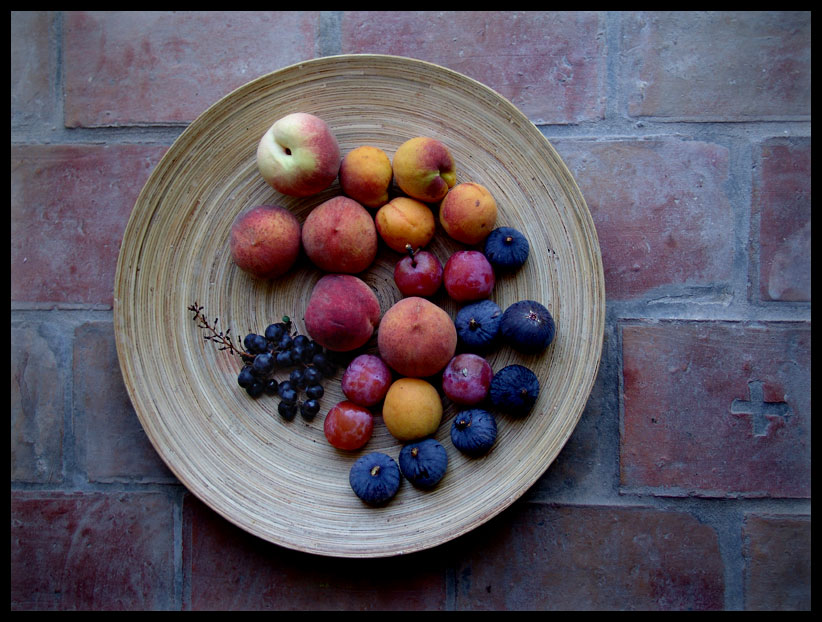
Researchers at Cornell's Center for Behavioral Economics in Child Nutrition Programs went into three school cafeterias that had been keeping their fruit in stainless-steel bins behind sneeze guards in the lunch line where kids could barely see it. And they did some strategic rearranging. They moved the fruit into colorful bowls or attractive baskets, and placed them near the cash register.
The result? A 103 percent increase in the purchase of fruit. "We were shocked by the sheer size of the effect," David Just of Cornell tells The Salt. He'd anticipated no more than a 30 percent increase, but it seems that moving the fruit to the bottleneck are at the end of the line was a big hit. "Kids spend more time looking at it" while they're waiting to check out, Just says.
Just's goal is to come up with low-cost or no cost lunchroom changes can help kids to make healthier choices. And the redesign efforts so far are encouraging.

Tuesday, August 30, 2011

Healthstyle by Darya Pino

By: Darya Pino
http://summertomato.com/
When I was 18 few things were further from my mind than health. Sure I enjoyed my status as a thin, relatively fit teenager, but there was virtually no connection in my brain between what I put in my body and how long or happily I would live.


At that time I saw healthy eating as a fringe activity, for granola crunching hippies or men over 60 with beer bellies. I had no reason to worry about heart disease at my age and organic food was way more expensive, so why bother?


But that wasn’t the only reason I avoided the issue. As a self-conscious girl from Southern California, I was very concerned with my weight. People considered me thin, and I had every intention of staying that way. I knew that my obsession with my body image and constant dieting was considered “unhealthy,” but I didn’t care.


From my perspective the message from the media was clear: healthy is the opposite of thin. And when you’re young and think you’re invincible, the choice is obvious. Getting kids to worry about something in the distant future is difficult enough, but when you set it up as the antithesis of their immediate goals you make it nearly impossible.


It wasn’t until years later that I started to appreciate the value of health as an objective. I now understand that healthy is beautiful, and that thin and healthy are not mutually exclusive. Your ideal size is determined largely by genetics, but if you eat well, exercise and take care of yourself not only will your body look the way you want, you’ll also have nicer hair, a clear complexion and brighter eyes. You’ll likely have more energy and feel happier as well.


Sadly, body size is still the focus when most people talk about health. When you’re “too thin,” healthy means eating more regardless of quality. When you’re overweight, healthy means losing weight no matter how you accomplish it. But in the long term health is a reflection of your daily habits and is determined by things like the quality and diversity of your diet, how often and vigorously you exercise, exposure to environmental toxins and other factors.


While body weight can certainly be an indicator of health problems and sometimes reflect improvements, it’s important to understand that the message we send about health can backfire if these two things are inextricably linked.


How do you define health?


Sunday, June 19, 2011

What's your Intention?

KFC recently started a new (sorry to be so blunt) stupid campaign. "Buy a HALF-GALLON of soda – with 800 calories from 56 spoonfuls of sugar – for $2.99 and a buck goes to Juvenile Diabetes Research Foundation."


How could they do such a thing? I am absolutely appalled by their hypocritical marketing.
 
"The Juvenile Diabetes Research Foundation defends it thus: "JDRF supports research for type 1 diabetes, an autoimmune disease that results when the immune system attacks the cells in the pancreas that produce insulin, therefore requiring a child or adult with the disease to depend on insulin treatment for the rest of their lives. It is a common misconception that type 1 diabetes is caused by obesity or eating too much junk food or sweets."


FAIL
Now thats what I like to call, SELFISH GIVING.

-Farah

Friday, June 10, 2011

Lace your fatty meal with this fruit to prevent yourself from getting fat

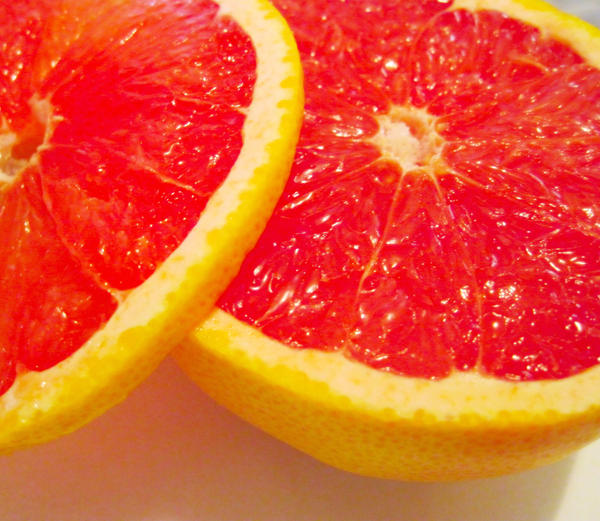
Researchers at Hebrew University and Harvard University have teamed up together in finding the benefitsof  the extract  naringenin, a compound from grapefruit.  With the use of nanotechnology, food is absorbed 11 times better than normal. This may forever change the way our metabolisms deal with fatty and sugary food.


They have isolated the molecule that creates the bitter taste in grapefruits, and have strong clinical evidence that if developed as a dietary supplement. 


"Under regular conditions the absorption of the fat- and sugar-busting molecule naringenin is quite low. You'd have to ingest a lot of grapefruits for it to work -- probably more than you'd ever want to eat.
To improve absorption capabilities, the researchers applied new tools from nanotechnology, and engineered a form of naringenin that includes an extra ring of sugar attached to the molecule. It is this extra ring that improves the absorption of naringenin and turns its bitter taste to sweet."


Read more about this study here. 


Monday, June 6, 2011

Nutrients in Food

Eat Em UP


Vitamin A (RDA 5000 Int’l Units)
Kale (1 cup raw), 10,ooo IU
Mustard Greens (1 cup cooked), 9,000 IU
Carrots (1 large raw), 8,000 IU
Cantaloupe ( 1/8 of  a large melon), 3,000 IU
Kale

Folate (a B Vitamin) (RDA 400 milligrams)
Spinach (1 cup cooked), 194 mg
Lentils (1/2 cup cooked), 180 mg
Asparagus (4 spears), 90 mg
Avocado (1/2 avocado), 80 mg
Avovado

Vitamin C (RDA 90 milligrams)
Red Pepper (1 cup chopped), 190 mg
Orange (1 small), 83 mg
Kale (1 cup raw chopped), 80 mg
Cauliflower (1 cup chopped), 52 mg
Broccoli (2 med spears), 50 mg
Cauliflower

Vitamin D (RDA 600 Int’l Units)
Sunshine (Hard to say how much time you need since there are so many variables (time of year, time of day, color of skin). But unless you’re a lifeguard who’s sworn off sunscreen, you’re likely not getting enough from the sun.)
Tuna (1 tin), 300 IU
Salmon (coho, wild, 3 oz), 383 IU
Sardines (in a tin), 250 IU
Eggs (from the yolk), 44 IU
Yogurt (whole plain), 5 IU (Most milk has high levels of added Vitamin D, it is not naturally occurs in high levels.)
Cod liver oil (The one I take provides 425 IU/two capsules)

Salmon

Almonds

Vitamin E
 (RDA 15 milligrams)
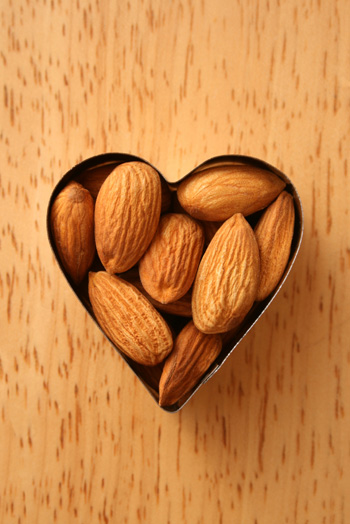
Almonds, (1/4 cup), 10 mg
Peanut Butter (2 tbsp), 2 mg
Avocado (1/2 avocado), 10 mg

Calcium 
(RDA 1000 milligrams)
Yogurt (1 cup plain whole milk), 296 mg
Cottage cheese (1 cup, 2%), 206 mg
Mustard Greens (1 cup cooked), 104 mg
Almonds (1/4 cup), 100 mg
Broccoli (2 medium spears), 72 mg
Coconut water (1 cup), 58 mg
Lentils 
Iron (RDA 8 milligrams)
Lentils (1/2 cup cooked), 3.5 mg
Tuna (1 tin), 3 mg
Kidney Beans (or Adzuki) (1/2 cup), 2.5 mg
Spirulina (seaweed) (1 tbsp dry), 2 mg
Beef (4oz sirloin or one hamburger patty), 1.6 mg
Sardines (4), 1.5 mg
Almonds (1/4 cup), 1.25 mg
Walnuts (1/4 cup), 1 mg
Salmon (3 oz), .78 mg
Egg (1), 1 mg

Sunday, June 5, 2011

New Study: Mistletoe extract can help stabilize colon and lung cancer...


New Israeli study at the Rambam Medical Center in Haifa reveals that mistletoe extract is effective in stabilizing patients suffering from advanced stages of colon and lung cancer.


 Mistletoe has unique properties,” said Dr. Maurice Orange, a United Kingdom General Practitioner who has administered mistletoe extract treatments for the past ten years. “It has been shown in labs and with patients to both have anti-cancer properties and a powerful stimulating effect on the immune system.” According to Dr. Orange, mistletoe can counteract tumor growth, while in other instances stimulating the immune system.


The plant was also found to improve the quality of life of the cancer patients suffering from advanced stages of the disease and who were not benefiting from regular cancer treatment. Twenty-three patients who were previously regularly required to undergo an intrusive procedure draining fluid from their abdomen through a needle began to receive injections of mistletoe extract. After receiving the mistletoe treatment, the interval between requiring draining procedures significantly increased, therefore increasing the patients’ quality of life.


Quoted from this article by ShalomLife.


Shavoa Tov,
Farah