What a year. The journey of nutritional research has come a long way this year. Researchers all over the world have done groundbreaking research which revealed an array beneficial information.
Dr. Tim Harlan describes five findings that can be easily implemented into your life to offer a beneficial diet and lifestyle.
1. Red meat:
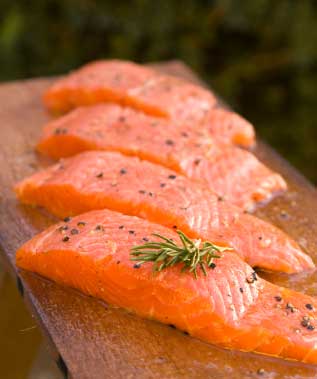
A study(1) published in the journal Circulation took a look at the connection between red meat and processed meats and their relationship to heart disease and diabetes. They found that the issue is processed meat and not really eating red meat in general.
Funded by The Bill and Melinda Gates Foundation and the National Institute of Health, researchers reviewed the data from 20 studies of red and processed meat consumption that included evaluation of a link to heart disease and diabetes. Their findings are particularly striking:
1. Those who ate 1 serving of red meat per day were at no greater risk of heart disease than those who ate less than 1 serving per week. The same was true of the risk of diabetes.
2. However, each serving of processed meat (bacon, salami, hot dogs, etc.) eaten per day led to a 42 percent increase in risk of heart disease and a 19 percent increase in risk of diabetes.
3. Each serving per day of meat, both processed and unprocessed, tended to show a higher risk of heart disease, but these findings were strongly skewed by two studies. If those two studies were excluded, the risk fell to near normal.
The message: Eat red meat in moderation but avoid processed meats.
2. Portion Control:
I love Brian Wansink's work and his team look at the portion sizes of the Joy of Cooking over the last 79 years.(2) That's right, they got bigger!

The team analyzed the serving sizes for 18 recipes across seven editions to see if the portion sizes (and thus the number of calories in each portion) had changed over time. Unsurprisingly, they did increase for 14 of the 18 recipes. As it happens, simple portion size was not the only cause of higher calories in a recipe -- often the recipe's ingredients were changed from a lower-calorie ingredient to a higher-calorie ingredient.
Between the 1936 edition and the 2006 edition, the average number of servings in a recipe decreased by a little over 1 serving per recipe, and the average number of calories in a serving increased by over 60 percent.
What's especially interesting is Dr. Wansink's team notes that the average serving sizes increased by about 33 percent since 1996.
The message: Take some time this year to learn about and reduce your portion sizes.
3. Stocking Your Cupboards:
Researchers at Rutgers University wondered if there was a difference in what foods were actually in the home between those families with overweight members and those families who were all of normal weight.
One hundred mothers with at least one child 12 years of age or younger were recruited to participate in the study. While all homes tended to keep the same amounts of nutrients on hand, but the differences were in what forms of foods those nutrients were in.
For example, those homes with overweight parents tended to have their carbohydrates in the form of frozen potatoes (like tater tots or french fries) or frozen vegetables with an included sauce (like broccoli with cheese sauce or brussels sprouts with butter sauce). Fresh and frozen meats also supplied much of the protein, total fat and saturated fats than in normal-weight households.
The Message: This is the single most important thing that I believe you can do to eat healthier. If you have healthy ingredients on hand, that's what you will eat.
4. Snack on Nuts:
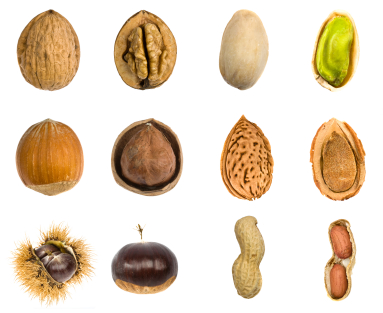
We've known for a long that nuts are great for you but recently a team of researchers pooled the results of 25 different studies on nuts and cholesterol to see if the type of nut made a difference in the cholesterol-lowering effects of eating nuts.(3)
The studies reviewed came from seven countries and included over 580 men and women. Each study included information on Body Mass Index, cholesterol scores both before and at the close of the study, and excluded people who were taking cholesterol medication. The types of nuts studies varied and included walnuts, pecans, macadamia nuts, almonds, pistachios and hazelnuts.

After analyzing the correlation between the amount of nuts each participant ate on a daily basis over the course of each study and their cholesterol scores, the researchers found that those diets that included nuts helped reduce total cholesterol, LDL (bad cholesterol), the ratio of LDL to HDL (good) cholesterol, and the ratio of total cholesterol to HDL cholesterol (all improved scores).
The Message: Put down the potato chips and crackers and snack on nuts instead!
5. Don't Drink Soda:
It's pretty amazing how little soda it takes to cause diabetes and health problems.
Research reported in Diabetes Care5 grouped together 11 prospective studies that included over 310,000 people.

The researchers standardized the serving size of the sugar-sweetened beverage consumption measured in each of the eleven studies. Then they stratified the various levels of intake into groups: from none or less than 1 serving per month up to more than 1 serving per day. The amount of soft drinks drunk by individuals who developed type 2 diabetes or metabolic syndrome was then compared to the amount drunk by those who did not develop type 2 diabetes or metabolic syndrome.
The scientists found that even when they took into account other variables such as Body Mass Index or individual caloric intake, those who drank at least one 12-ounce serving of a sugar-sweetened beverage per day were 20 percent more likely to develop metabolic syndrome and 26 percent more likely to develop type 2 diabetes than those who drank less than 1 serving per month.
1. Circulation 2010;121:2271-2283
2. The Annals of Internal Medicine (2009;150(4):291)
3. Appetite 52 (2009) 479-484).
4. Arch Intern Med 2010;170(9):821-827).
5. Diabetes Care (2010; 33: 2477-2483)
*these findings were taken from an
article written in the
Huffington Post.